Design Guided by Building Science

Design Guided by Building Science

Building science allows us to evaluate how design decisions affect comfort, durability, and energy performance so informed choices support long-term results without compromising architectural intent.

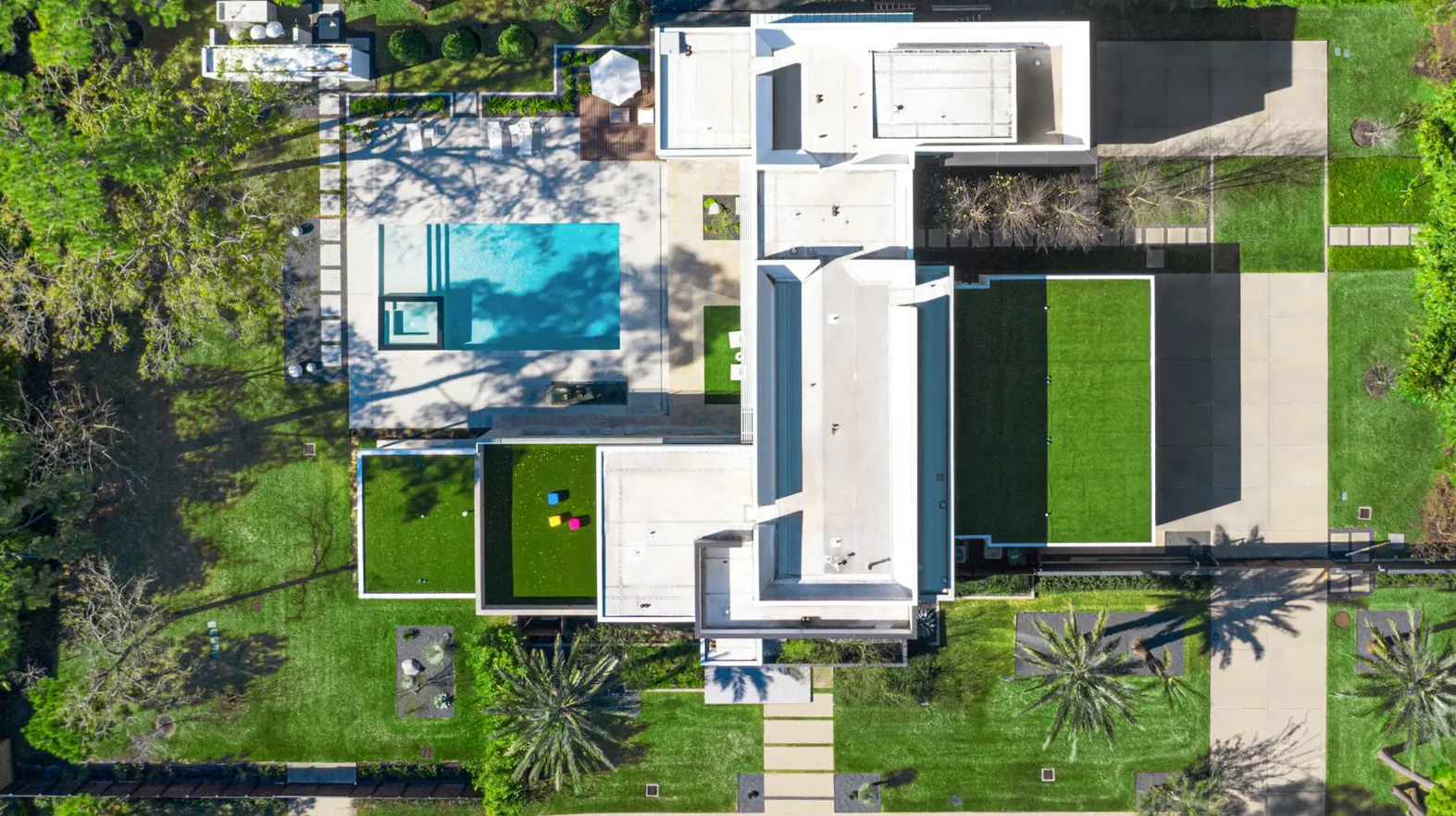
Modern Edge custom home aerial view

Why Performance Matters

Comfort is continuous. A well-designed envelope and mechanical system maintain stable temperatures, control humidity, and eliminate drafts, so you feel comfortable in every room, every season.

Durability is designed in. When air, moisture, and thermal transfer are properly managed from the start, materials last longer, maintenance costs drop, and long-term performance is protected.

Efficiency is an outcome, not an upgrade. Lower energy use follows from integrated systems, not added features. Homes that work as a system deliver results without compromise.
What Makes a Home Perform Better

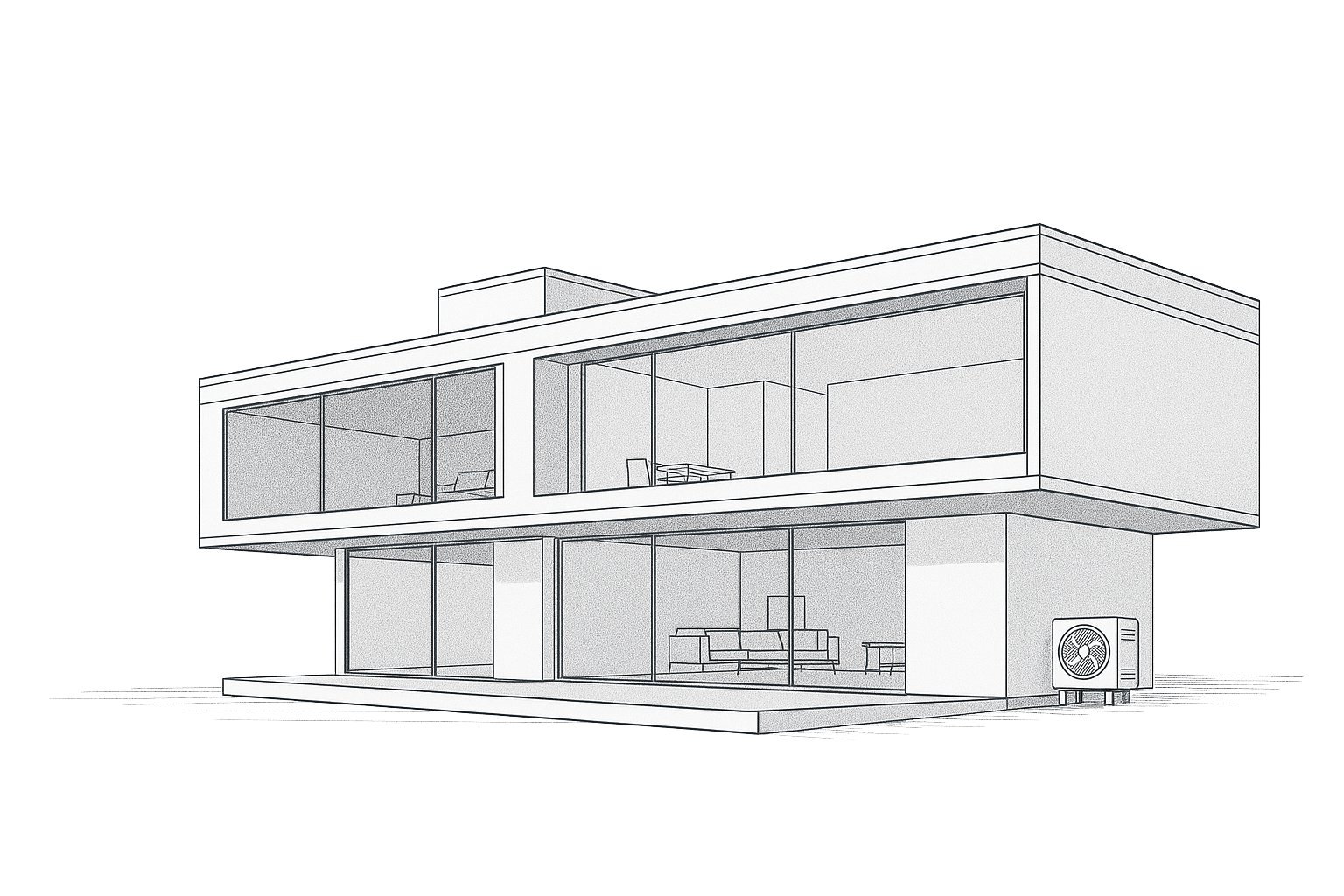
A home’s performance is not the result of a single feature. It comes from coordinating the right building science elements so the home functions as a unified system.

1. Envelope Control

The building enclosure establishes the foundation for performance. When the envelope is designed as a continuous control layer, it protects the structure, supports durability, and creates the conditions needed for consistent comfort over time.

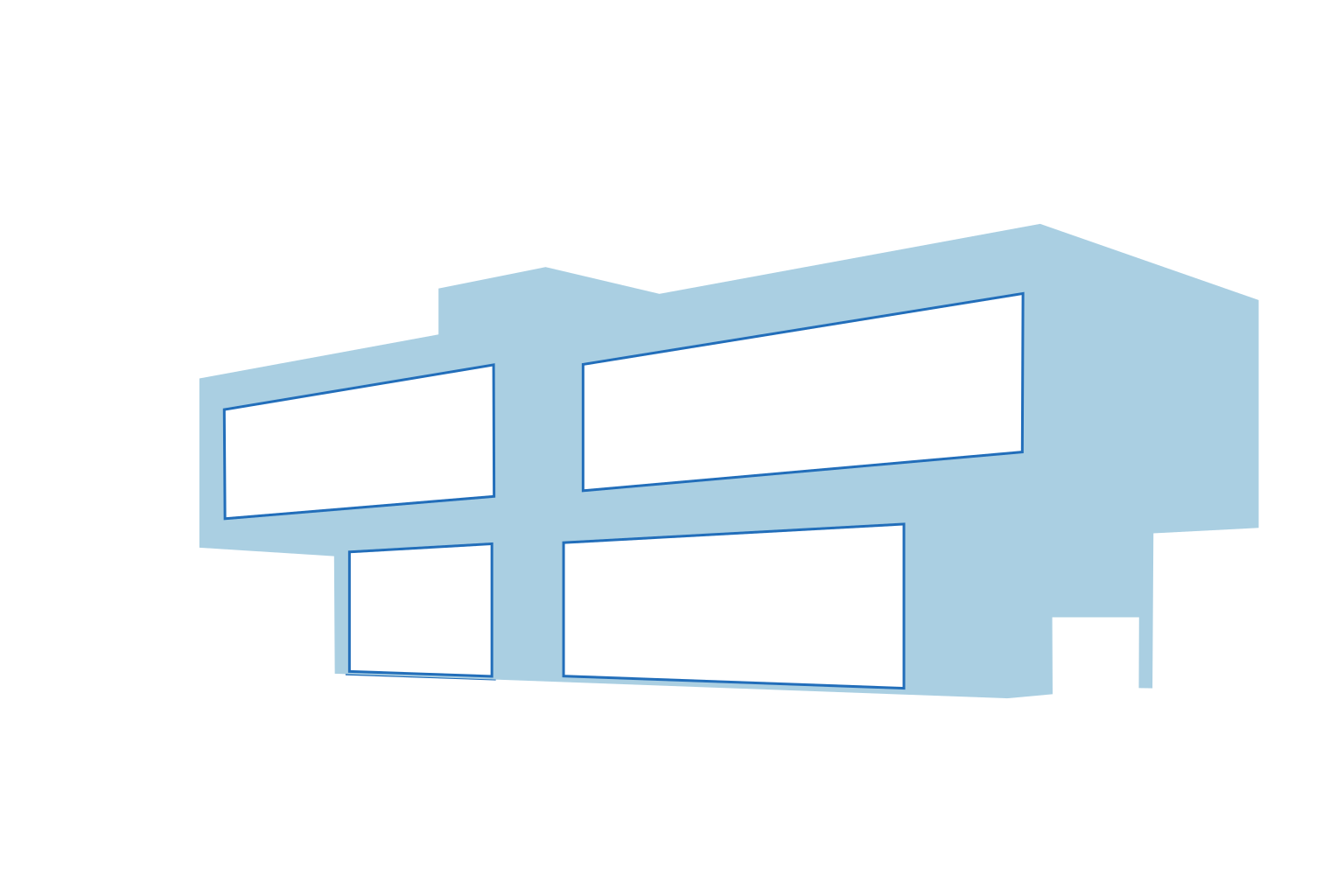
Modern home architectural illustration A B
A
Air-Tight Envelope Sealing Prevents moisture intrusion, enhances comfort and improves long term performance
B
Weather Resistive Barrier (WRB) Applied or integrated into the sheathing behind exterior cladding, blocks water intrusion to protect the structure from long-term damage

2. Moisture Management

Moisture control is essential to long-term durability, especially in hot and humid climates. Assemblies must be designed to manage exposure, allow drying, and support architectural intent without compromising performance over time.

Modern home architectural illustration C D
C
Architectural Detailing Modern design elements integrated with performance in mind from the start
D
Ventilated Wall Assemblies Integrate air gaps behind cladding allows moisture to escape and dry, improving durability

3. Thermal Performance

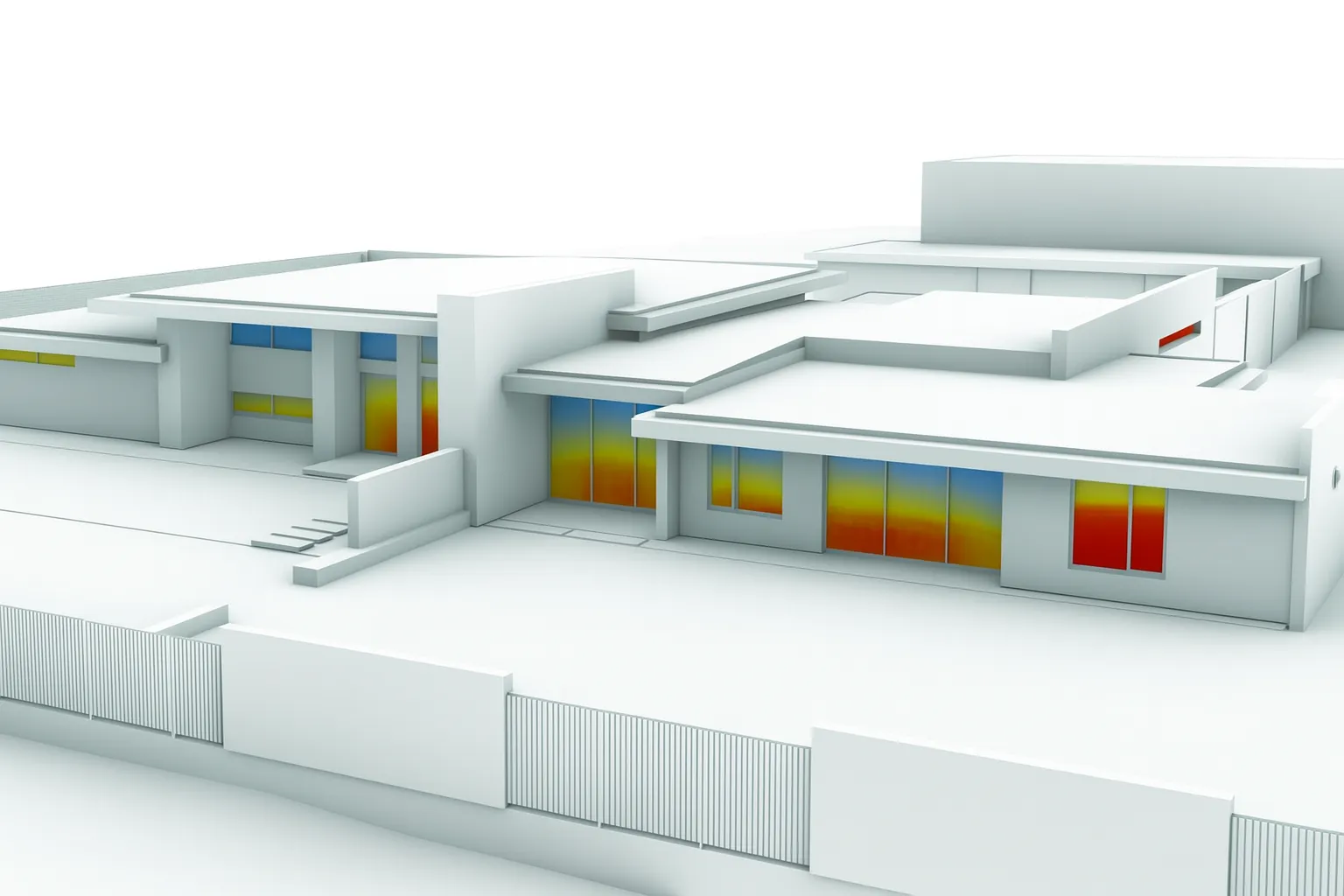
Thermal control shapes both comfort and efficiency. When heat flow is managed as part of a continuous enclosure, interior conditions remain more stable, energy demand is reduced, and the home performs consistently across changing seasons.

Modern home architectural illustration E F
E
Low-E Thermally Broken Windows Reduce heat gain and loss and increases energy performance
F
Continuous Insulation Behind cladding systems minimizes energy loss and maximizes energy performance

4. Air Quality & Humidity Control

Indoor comfort depends on managing the air itself. When ventilation, humidity, and conditioning systems are designed to work together, indoor environments remain healthier, more comfortable, and more stable throughout the year.

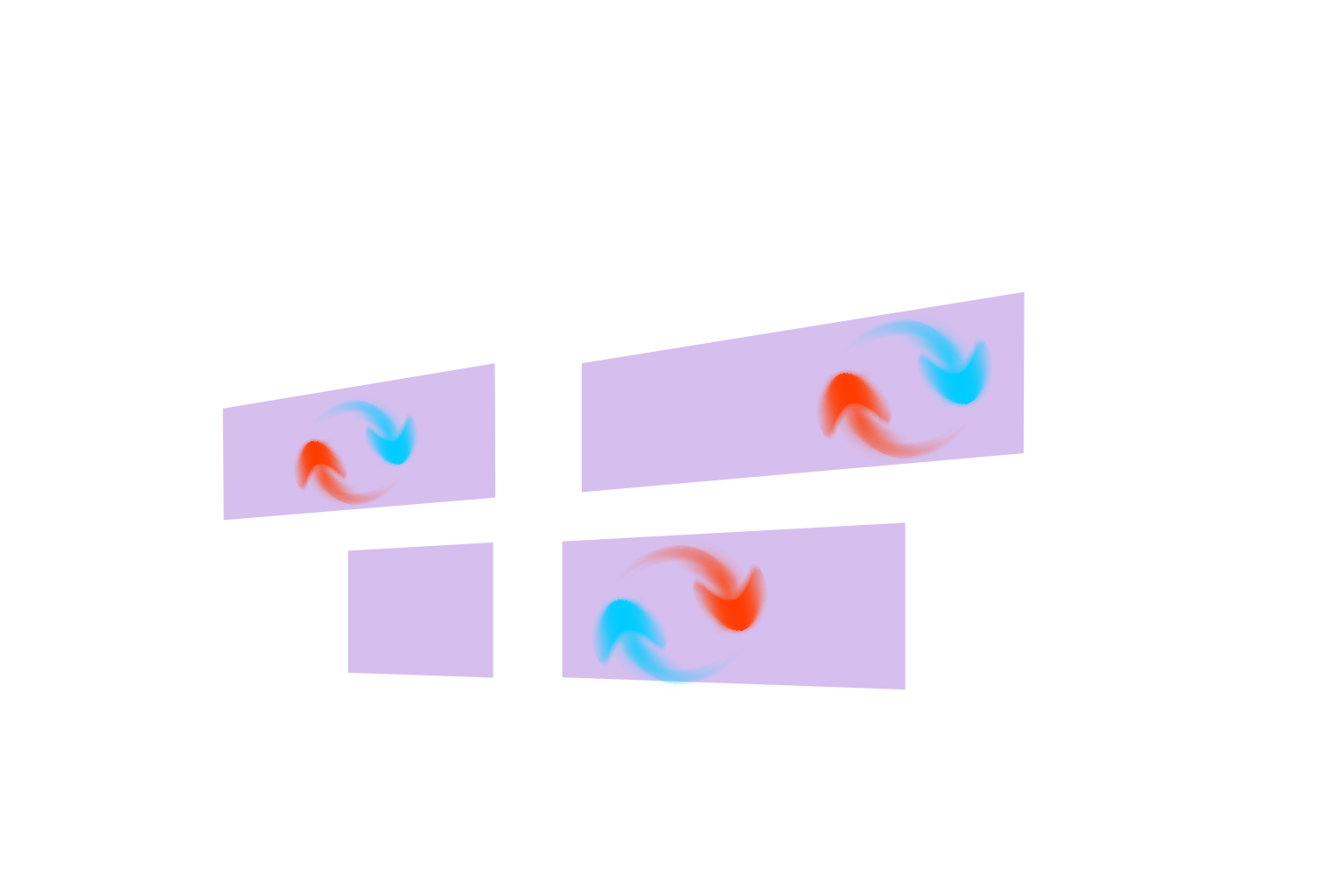
Modern home architectural illustration G H
G
Advanced Ventilation Systems Deliver fresh, filtered air while recovering energy from exhaust
H
Advanced HVAC Integration Better humidity control and lower energy usage
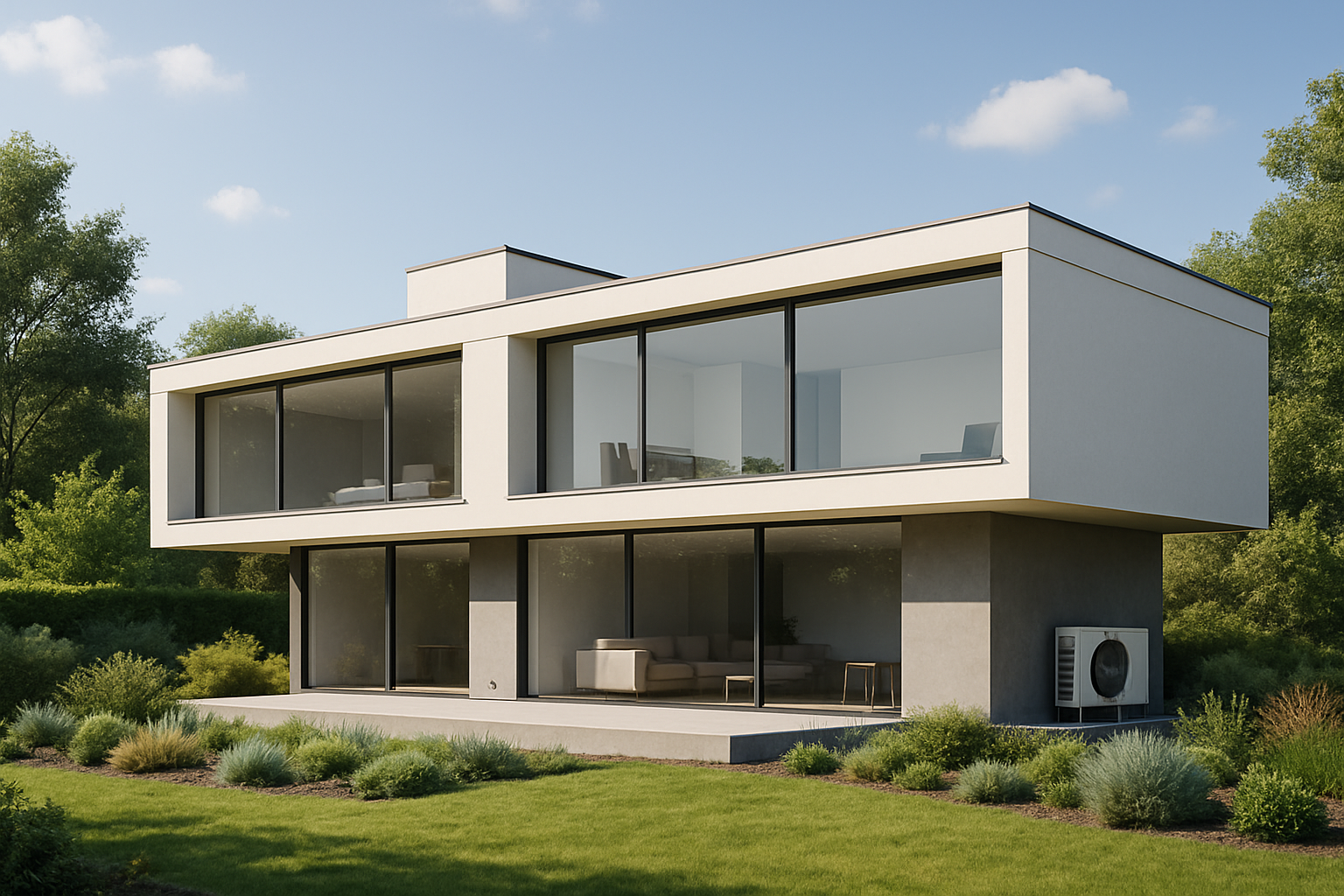
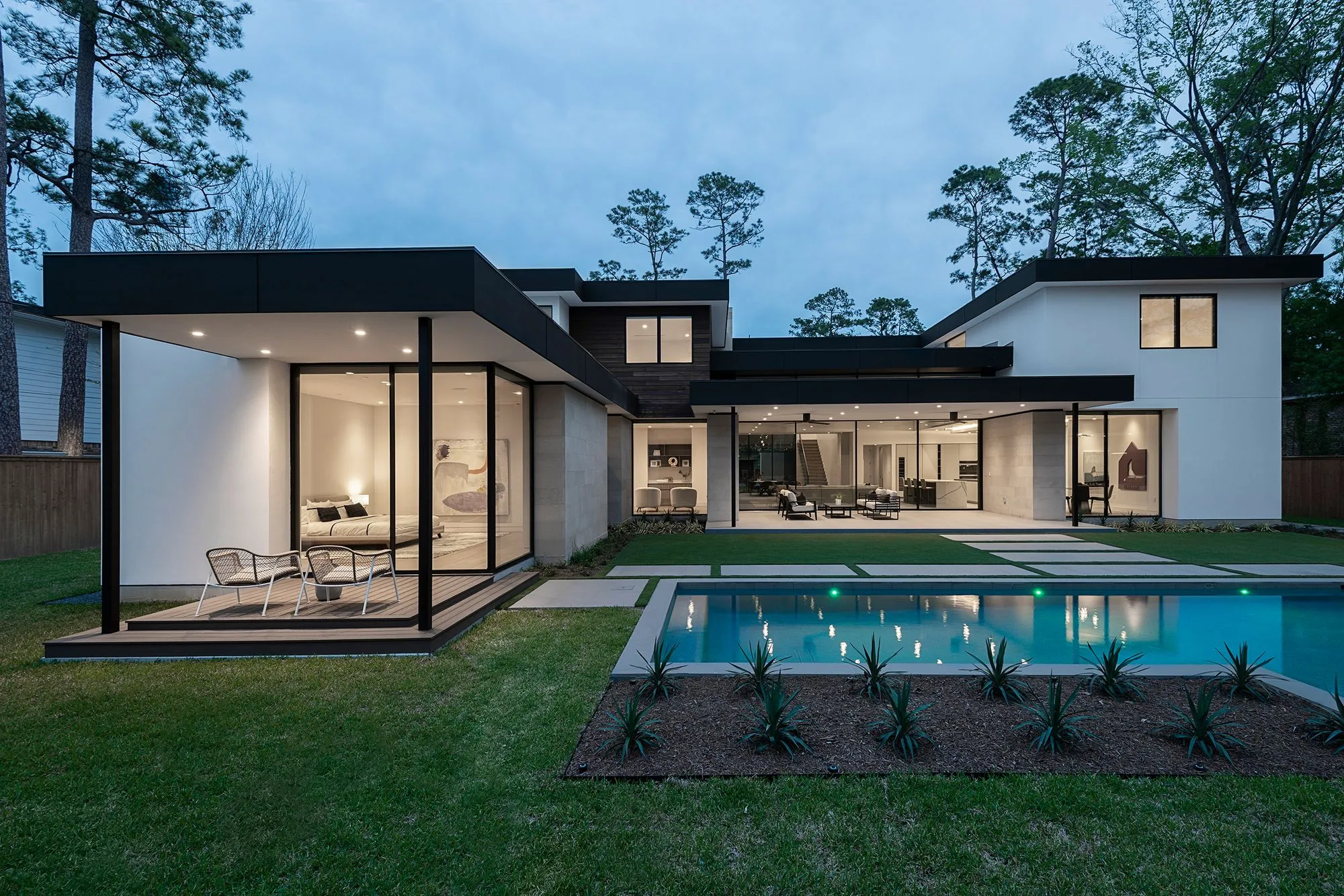
Completed high-performance home

Together, these layers form the building science backbone of a high-performance home. One designed to withstand Houston’s climate while delivering consistent comfort, improved efficiency, and long-term durability.

What Makes a Home Perform Better

A home’s performance is not the result of a single feature. It comes from coordinating the right building science elements so the home functions as a unified system.

1. Envelope Control

The building enclosure establishes the foundation for performance. When the envelope is designed as a continuous control layer, it protects the structure, supports durability, and creates the conditions needed for consistent comfort over time.

A
Air-Tight Envelope Sealing Prevents moisture intrusion, enhances comfort and improves long term performance
B
Weather Resistive Barrier (WRB) Applied or integrated into the sheathing behind exterior cladding, blocks water intrusion to protect the structure from long-term damage

2. Moisture Management

Moisture control is essential to long-term durability, especially in hot and humid climates. Assemblies must be designed to manage exposure, allow drying, and support architectural intent without compromising performance over time.

C
Architectural Detailing Modern design elements integrated with performance in mind from the start
D
Ventilated Wall Assemblies Integrate air gaps behind cladding allows moisture to escape and dry, improving durability

3. Thermal Performance

Thermal control shapes both comfort and efficiency. When heat flow is managed as part of a continuous enclosure, interior conditions remain more stable, energy demand is reduced, and the home performs consistently across changing seasons.

E
Low-E Thermally Broken Windows Reduce heat gain and loss and increases energy performance
F
Continuous Insulation Behind cladding systems minimizes energy loss and maximizes energy performance

4. Air Quality & Humidity Control

Indoor comfort depends on managing the air itself. When ventilation, humidity, and conditioning systems are designed to work together, indoor environments remain healthier, more comfortable, and more stable throughout the year.

G
Advanced Ventilation Systems Deliver fresh, filtered air while recovering energy from exhaust
H
Advanced HVAC Integration Better humidity control and lower energy usage

Together, these layers form the building-science backbone of a high-performance home—one designed to withstand Houston's climate while delivering measurable comfort, efficiency, and long-term durability.

Modern home architectural illustration A B C D E F G H

How We Deliver Performance​

At Modern Edge, high performance is built into every layer of the home. Optimized envelopes, ventilated assemblies, balanced fresh-air systems, and integrated HVAC strategies work together to deliver superior comfort, air quality, energy efficiency, and long-term durability.


Interactive Building Science Model

Explore the interactive graphic below to see how these strategies come together to create healthier, more efficient homes—built to perform for generations.​

Scroll left to right to view the entirety of the chart
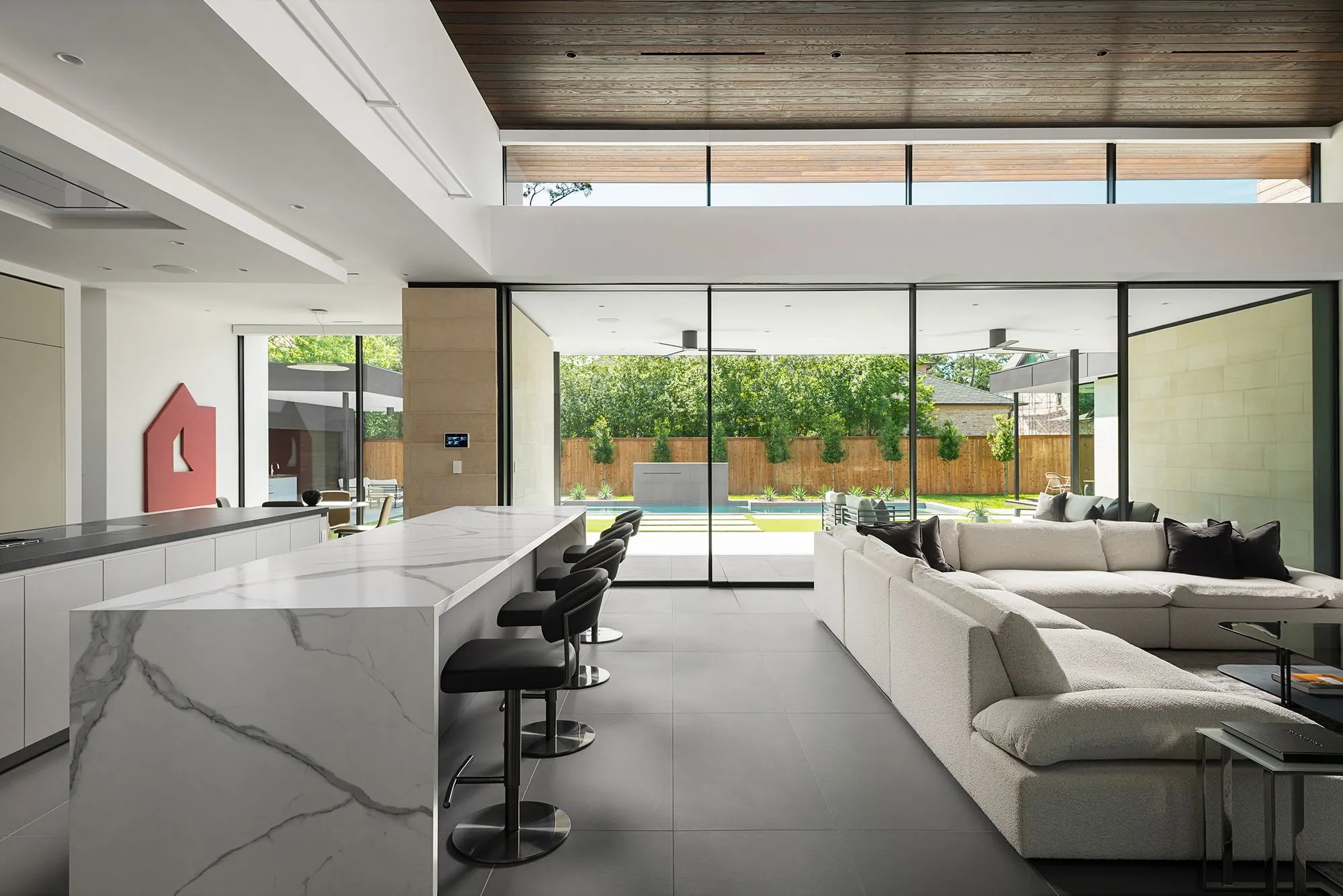
Modern luxury home interior showcasing custom design
High-performance home construction detail
Contemporary architectural design by Modern Edge

Modern Design
Delivered with Precision

Start Your Build